

The best inspections do not just “tick a box”. They help buyers avoid surprises and help sellers fix issues early so a sale does not stall.
What is a Sydney pest inspection actually checking for?
They are checking for evidence of timber pests and other common household pests, plus the conditions that make them likely. In termite Sydney inspections, the focus usually starts with termites, borers, and fungal decay risks, followed by rodents, cockroaches, ants, and spiders depending on the property.
They will look for live activity, past activity, visible damage, and moisture issues that increase risk. The goal of a termite Sydney inspection is to provide a clear, property-specific risk picture, not a generic pass or fail.
Who should arrange the inspection before a purchase or sale?
Buyers typically arrange it to protect themselves before contracts become unconditional. It is one of the few chances they have to assess hidden risk before committing to repairs that can run into thousands.
Sellers often arrange one pre-sale to remove uncertainty for buyers and avoid last-minute renegotiations. A clean report can also speed up decision making, especially when multiple buyers are comparing properties quickly.
When should the inspection happen in the transaction timeline?
It should happen as early as possible, ideally during the cooling-off period or before it ends. That gives time to review the report, ask follow-up questions, and get quotes if anything is found.
For sellers, it works best before listing or before the first open homes. Fixing issues early helps avoid awkward discoveries after an offer is already emotionally and financially “in play”.
What areas of the property will they inspect?
They will inspect accessible areas inside and outside the home, focusing on the places pests hide and where moisture collects. That usually includes subfloors, roof voids, garages, fences, decks, gardens near the house, and timber structures.
They will also check internal walls, skirtings, door frames, wet areas, and any visible penetrations or expansion joints. If access is limited, the report should note that clearly because it affects certainty.
What tools and methods should be used in a thorough inspection?
A thorough inspector relies on more than a quick visual scan. They typically use moisture meters and sounding tools to detect suspect timber, and may use thermal imaging to identify moisture anomalies or heat patterns that warrant closer checking.
If termites are suspected, they may recommend further invasive investigation by a licensed pest manager. A good inspection explains what was done, what was not possible, and what the findings mean in practical terms.
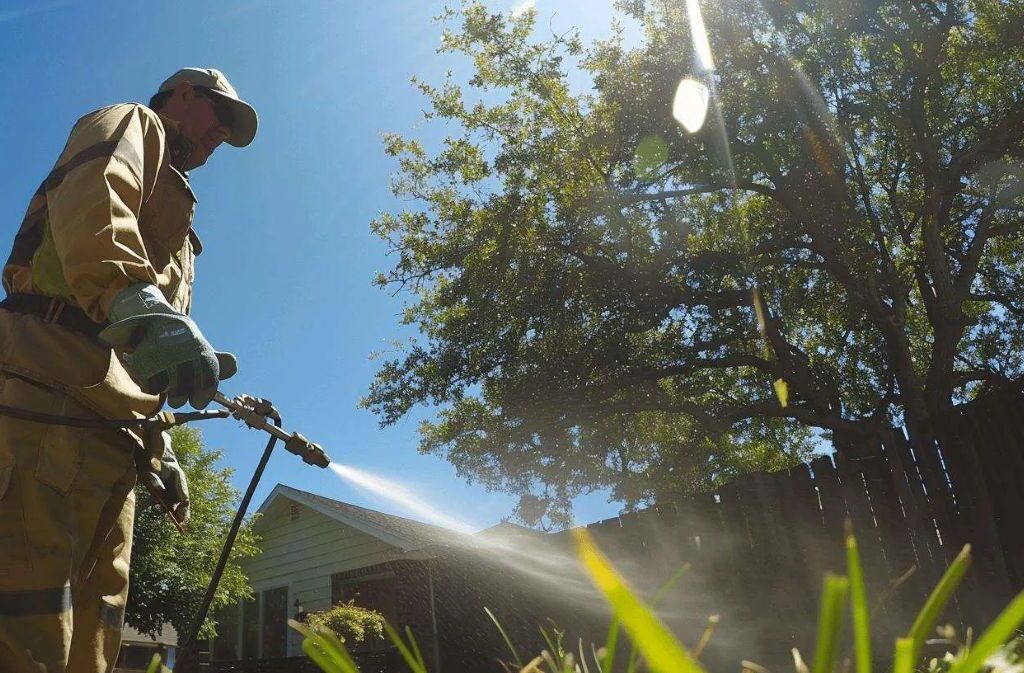
What termite signs will they look for in Sydney homes?
They will look for mud leads, damaged timber, hollow sounding wood, blistered paint, and distortion in skirtings or frames. They also check for conducive conditions such as leaking showers, poor drainage, garden beds against walls, or timber-to-soil contact.
Sydney properties can be at higher risk in leafy suburbs, near bushland, or where older timber construction is common. The inspection should separate “active termites” from “evidence of previous activity” and explain the risk either way.
How long does a pest inspection take and what affects the duration?
Most inspections take around 60 to 120 minutes, depending on size, access, and complexity. A small flat with limited roof or subfloor access may be quicker than a multi-level home with decks, fences, and outbuildings.
Clutter, locked areas, stored items in garages, and overgrown gardens can slow things down or reduce access. If access is restricted, they should document limitations so the buyer or seller understands what may still be unknown.
What will be included in the written report?
A solid report summarises findings, identifies the pests or risks observed, and grades the level of concern in plain language. It will also note inspection methods, accessible areas, and any parts of the property that could not be inspected.
They should include photos where helpful, plus recommendations such as treatment, repairs, or environmental changes. The best reports make it easy to understand what must be addressed now versus what should be monitored.
How should buyers interpret the findings without overreacting?
They should treat the report as a risk tool, not a deal-breaker by default. Many reports flag “conducive conditions” that are common and fixable, such as poor ventilation, moisture issues, or timber contact with soil.
What matters is whether there is active infestation, the extent of damage, and the likelihood of recurrence. If anything is unclear, they should ask the inspector for a phone walkthrough and then get repair quotes before deciding on price or conditions.
How can sellers use an inspection to protect a sale?
They can use it to fix issues before buyers find them and use them to negotiate harder. A pre-sale inspection can also support transparency and reduce the chance of a contract falling through late due to unexpected findings.
If the report identifies minor risks, sellers can address them and provide evidence, such as receipts for repairs or treatment. That often reassures buyers and keeps negotiations focused on the property’s real value.
What common issues are found in Sydney properties?
Termite risk factors are among the most common, especially moisture problems, poor subfloor ventilation, and garden landscaping that hides slab edges. Older properties often have timber features, additions, or fences that create entry points.
Rodent activity can also appear where roof voids are accessible or where food waste storage is poor. Cockroach harbourage is common in kitchens and older wet areas, particularly where gaps and moisture persist.
Other Resources : Sydney’s hidden housing problem
What happens if pests are found just before settlement?
They may need to negotiate treatment, repairs, or a price adjustment depending on contract terms and timing. If the report indicates active termites, a buyer will usually want a licensed treatment plan and confirmation of completion.
Sellers may agree to treat before settlement, offer a credit, or adjust the price if the buyer’s risk increases. The key is speed: they should act quickly so settlement timelines are not jeopardised.
How do they choose a reputable inspector in Sydney?
They should look for proper licensing, strong local experience, and a report style that is clear and photo-supported. A reputable inspector explains limitations, does not make vague claims, and is available for follow-up questions.
It also helps if they are independent and not pushing unnecessary treatments. The inspection should feel evidence-based, with practical recommendations rather than fear-driven language.
What should they do to prepare the property for inspection day?
They should provide access to the roof void, subfloor, garage, and any side gates. They should unlock sheds, clear stored items away from walls where possible, and trim back vegetation that covers external walls or slab edges.
They should also disclose known issues like past termite treatment, leaking showers, or previous damage repairs. More access and better information usually results in a more reliable report and fewer unknowns.

What should they expect to pay and what is “good value”?
Pricing depends on property size and whether the pest inspection is combined with a building inspection. Good value is not the cheapest option; it is the one that provides thorough access notes, clear risk grading, photos, and sensible next steps.
They should compare what is included, how long the inspection typically takes, and whether follow-up support is offered. A slightly higher fee is often justified if it prevents a costly surprise after exchange. Check out more about Termite Control: Barriers vs Baits (What Works?)
What is the simplest way to use the report to make a decision?
They should separate findings into three buckets: active issues needing immediate action, conditions that increase future risk, and routine maintenance. Then they can get quotes for any repairs or treatment and use that information in negotiations.
For buyers, the report supports a confident yes, a confident no, or a clear counteroffer. For sellers, it becomes a roadmap to remove friction and keep the sale moving.
FAQs (Frequently Asked Questions)
What does a Sydney pest inspection typically check for?
A Sydney pest inspection primarily checks for evidence of timber pests like termites and borers, fungal decay risks, and common household pests such as rodents, cockroaches, ants, and spiders. Inspectors look for live or past pest activity, visible damage, and moisture issues that increase the risk of infestation to provide a clear, property-specific risk assessment.
Who should arrange a pest inspection during a property transaction in Sydney?
Buyers usually arrange pest inspections before contracts become unconditional to identify hidden risks and avoid costly repairs. Sellers often organise pre-sale inspections to address issues early, reduce uncertainty for buyers, prevent last-minute renegotiations, and facilitate smoother sales processes.
When is the best time to conduct a pest inspection in the buying or selling process?
Inspections should be conducted as early as possible—ideally during the cooling-off period for buyers or before listing and open homes for sellers. Early inspections allow sufficient time to review reports, seek clarifications, obtain repair quotes, and address issues before offers are made or accepted.
Which areas of a Sydney property are inspected during a pest check?
Inspectors examine accessible internal and external areas where pests commonly hide or moisture collects. This includes subfloors, roof voids, garages, fences, decks, gardens adjacent to the house, timber structures, internal walls, skirtings, door frames, wet areas, and any visible penetrations or expansion joints. Any access limitations are noted in the report.
What tools and methods are used in thorough pest inspections in Sydney?
Comprehensive inspections use more than visual scans; they employ moisture meters and sounding tools to detect suspect timber. Thermal imaging may identify moisture anomalies or heat patterns indicating pest activity. If termites are suspected, further invasive investigations by licensed pest managers may be recommended. Reports detail methods used and practical implications of findings.
How should buyers interpret pest inspection reports without overreacting?
Buyers should view reports as risk assessment tools rather than deal-breakers. Many flagged ‘conducive conditions’ like poor ventilation or timber-to-soil contact are common and fixable. The key concerns are active infestations’ presence, damage extent, and recurrence likelihood. Buyers should consult inspectors for clarifications and obtain repair quotes before negotiating price or contract terms.
