
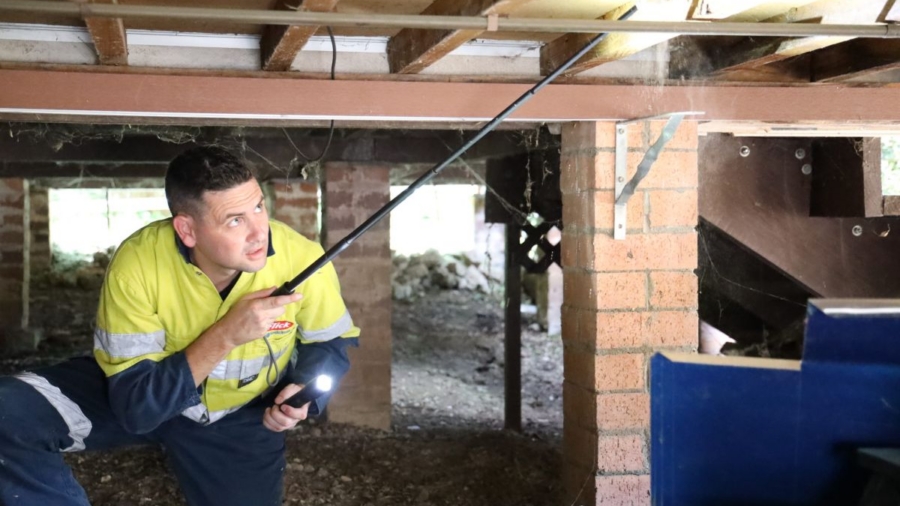
This guide explains the main termite solutions, what they do, and how to decide what makes sense for a property.
What are termites, and why are they so difficult to control?
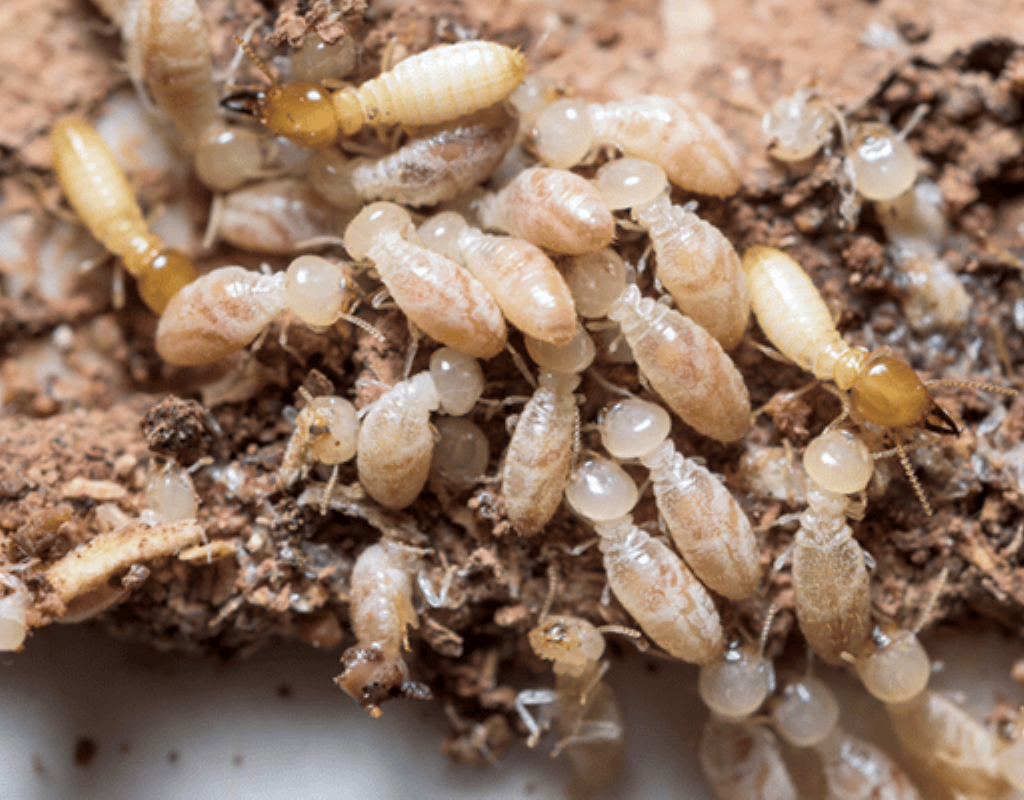
Termites are social insects that feed on cellulose, which is found in wood and many building materials. They are difficult to control because they often attack from hidden locations such as subfloors, wall cavities, and underground galleries, which is why pest and termite treatment often requires professional inspection and targeted control methods.
Many species travel between a nest and a food source without being seen, so visible damage usually appears late. Effective pest and termite treatment focuses on blocking access, eliminating colonies, or both.
How can they tell whether a property has termites?
They typically confirm termites through inspection signs such as mud tubes, damaged or hollow-sounding timber, pinholes in plasterboard, and tight-fitting doors that suddenly stick. In some cases, winged termites swarm indoors near windows and lights.
A professional inspection is important because termites can be active in one area while the visible damage shows elsewhere. Inspectors may use moisture meters, sounding tools, and thermal imaging to narrow down likely activity zones.
What is a termite barrier, and how does it work?
A termite barrier is designed to stop termites reaching a structure from the soil. It works by creating a continuous treated zone or a physical layer that termites cannot cross without being exposed or blocked.
Barriers are usually used as prevention, but they can also support treatment after an infestation. The key is continuity. Even small gaps around plumbing penetrations, slab edges, or expansion joints can undermine the barrier.
What is the difference between chemical and physical barriers?
Chemical barriers rely on termiticides applied to soil, creating a treated zone that kills or repels termites as they attempt to pass through it. Physical barriers use materials such as stainless-steel mesh or graded stone to prevent termite entry.
Chemical options can be quicker to install in many existing homes, while physical barriers are common in new builds or major renovations. In practice, many termite management plans combine both, especially in higher-risk areas.
When do baiting systems make more sense than barriers?
Baiting systems make sense when soil treatments are impractical, restricted, or less reliable due to site conditions. They are also useful when the goal is colony suppression rather than only blocking access at the perimeter.
Baits work slowly by design. Termites feed on the bait and transfer it through the colony, disrupting moulting and reducing numbers over time. This can be effective, but it requires ongoing monitoring and maintenance.
How do termite baits actually eliminate a colony?
Most termite baits use a growth regulator that prevents termites from successfully moulting. Because termites share food through trophallaxis, the active ingredient spreads beyond the bait station to others in the colony.
Elimination can take weeks to months depending on colony size, termite pressure, and feeding intensity. A good bait programme is not a one-off install. It is a managed process with inspections, replenishment, and station performance checks.
What are the pros and cons of barriers versus baits?
Barriers provide immediate, passive protection once installed correctly, which many owners prefer for peace of mind. However, they can be disrupted by landscaping, plumbing works, or soil movement, and they may not address an existing colony.
Baits can reduce colony pressure and adapt to complex sites, but they require patience and ongoing servicing. The best option depends on whether they are dealing with prevention, an active infestation, or both.
What does “beyond” barriers and baits include?
“Beyond” covers targeted treatments and building improvements that reduce termite risk. This includes direct-wood treatments, foams and dusts for localised activity, and moisture management to make the environment less attractive.
It also includes non-chemical measures such as maintaining clearance between soil and timber, improving subfloor ventilation, fixing leaks, and keeping garden beds below weep holes. These steps matter because termite control is rarely just chemistry.
See Also : Treatments for timber and timber products
How important is moisture management in termite prevention?
Moisture management is critical because termites are strongly attracted to damp, sheltered areas. Leaking pipes, poor drainage, blocked gutters, and inadequate ventilation can all create conditions that support termite activity.
Even the best treatment can be compromised if a property consistently provides moisture and concealed access points. A termite plan that includes drainage and ventilation fixes often performs better long term.
What should they expect during a professional termite inspection and treatment plan?
They should expect a thorough internal and external inspection, a discussion of risk factors, and a written recommendation outlining options. A good plan explains why a particular approach suits the property rather than pushing a one-size-fits-all product.
They should also ask about follow-up schedules, warranty terms, and what actions could void protection, such as disturbing treated soil. Clear documentation helps owners compare quotes and understand ongoing responsibilities.
How can they choose the right termite solution for their home?
They should choose based on infestation status, building type, site access, and appetite for ongoing servicing. For example, an existing slab home with limited soil access may lean towards baits, while a property with accessible perimeter zones may suit a chemical barrier.
They should also consider local termite pressure and whether they want a prevention-first approach or colony reduction. Most importantly, the solution should include regular inspections, because no method replaces monitoring. Click here to learn more about what to expect from thorough Sydney pest inspections before you buy or sell.
What are the most common mistakes people make with termite control?
The biggest mistake is assuming a single treatment means they can stop inspecting. Another common issue is unknowingly bridging a barrier with garden beds, paving, timber storage, or raised soil levels against walls.
They also often delay action because damage is not obvious, which gives termites time to spread. Termite management works best when they treat it as a system: prevention, maintenance, and inspection working together.
What is the simplest takeaway for homeowners?
Barriers are about blocking access, baits are about reducing colonies, and “beyond” is about removing the conditions termites love. The most reliable results usually come from combining a suitable treatment with good property maintenance and regular professional inspections.
FAQs (Frequently Asked Questions)
What makes termites so difficult to detect and control in homes?
Termites are social insects that feed on cellulose found in wood and building materials. They often attack from hidden locations like subfloors, wall cavities, and underground galleries, making visible damage appear late. Their ability to travel between nests and food sources unseen complicates detection. Effective control focuses on blocking access and eliminating colonies.
How can homeowners identify if their property has a termite infestation?
Signs of termite activity include mud tubes, damaged or hollow-sounding timber, pinholes in plasterboard, and doors that suddenly stick tightly. Winged termites may swarm indoors near windows or lights. Professional inspections using moisture meters, sounding tools, and thermal imaging help detect activity even when visible damage is elsewhere.
What are the differences between chemical and physical termite barriers?
Chemical barriers involve termiticides applied to soil creating a treated zone that kills or repels termites attempting to cross. Physical barriers use materials like stainless-steel mesh or graded stone to physically block termite entry. Chemical options are quicker for existing homes; physical barriers are common in new builds or renovations. Many plans combine both methods for higher-risk areas.
When are termite baiting systems preferred over barrier treatments?
Baiting systems are ideal when soil treatments are impractical, restricted, or less reliable due to site conditions. They focus on colony suppression by having termites feed on baits containing growth regulators that disrupt moulting over time. Baits require ongoing monitoring and maintenance but adapt well to complex sites where barriers may be compromised.
How important is moisture management in preventing termite infestations?
Moisture management is critical because termites thrive in damp, sheltered environments. Leaking pipes, poor drainage, blocked gutters, and inadequate ventilation create favourable conditions for termites. Even the best treatments can fail if moisture issues persist; therefore, fixing leaks and improving ventilation significantly enhance long-term termite prevention.
What should homeowners expect during a professional termite inspection and treatment planning?
A thorough internal and external inspection will be performed along with a discussion of risk factors specific to the property. The professional will provide a written recommendation explaining suitable options rather than a one-size-fits-all solution. Homeowners should inquire about follow-up schedules, warranty terms, and actions that could void protection to ensure clear understanding of responsibilities.
