
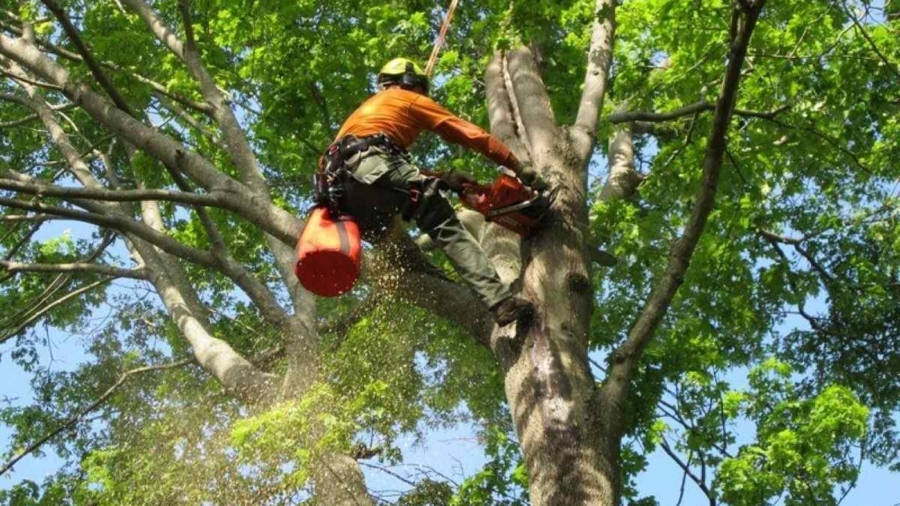
They also help decision-makers avoid expensive mistakes, like over-pruning, root damage, or removing trees that could have been saved with targeted care.
What makes Sydney’s urban trees so vulnerable?
In urban environments, arborist services Sydney professionals often see trees living in harsh conditions that rarely match what they need to thrive. Heat islands, restricted rooting zones, pollution, and inconsistent watering gradually weaken even well-established trees.
Through experienced arborist services Sydney, it’s clear that even “healthy-looking” canopies can hide stress below ground. City trees frequently face soil compaction, trenching, and competition with underground utilities, all of which reduce stability and increase the risk of decline or structural failure over time.
How do professional arborists protect long-term tree health?
They focus on prevention, not just appearance. A qualified arborist assesses tree biology, structure, site conditions, and likely future stress, then recommends actions that improve strength and longevity.
Instead of removing large limbs unnecessarily, they use pruning strategies that support natural growth patterns, reduce defects, and lower the risk of disease entry through poor cuts.
Why is correct pruning more than just “cutting branches”?
Pruning changes how a tree allocates energy, responds to stress, and handles wind load. Done wrong, it can trigger decay, weak regrowth, sunscald, and long-term instability.
Professional arborists select the right pruning type for the goal, such as crown cleaning, reduction, or selective thinning. They also time pruning to reduce stress and avoid periods when pests and pathogens are most active.
How do arborists spot problems that most people miss?
They are trained to identify structural weaknesses and early symptoms before they become obvious. Cracks, included bark, fungal fruiting bodies, dieback patterns, and abnormal leaf size can all point to hidden issues.
They also consider the site. Changes like recent excavation, altered drainage, or soil grade adjustments often explain sudden decline, even when the canopy still looks “fine” from the street.
What role do arborists play in tree risk and public safety?
They reduce hazards without defaulting to removal. In urban areas, trees must coexist with pedestrians, homes, roads, and powerlines, so unmanaged defects can become serious liabilities.
Arborists evaluate likelihood of failure, impact targets, and practical mitigation options. Their recommendations can include pruning, cabling, bracing, exclusion zones, or monitored retention, depending on the risk profile.
How do professional arborists support tree health during construction?
They help prevent the most common urban killer: root damage. Construction often cuts roots, compacts soil, or changes water flow, which can destabilize or slowly kill a tree.
Arborists can plan tree protection zones, advise on fencing and access routes, and guide excavation methods near roots. They also monitor trees after works, since decline can appear months later.
Other Resources : Protecting trees on development sites: A guide for developers
Why is soil and root care central to urban tree survival?
Most urban tree problems start below ground. Compacted soil reduces oxygen and water infiltration, limiting root growth and increasing susceptibility to pests and drought.
Professional arborists may recommend mulching, soil decompaction, organic matter amendments, or targeted watering plans. These steps often restore vigor more effectively than canopy work alone.
How do arborists manage pests and diseases in a city environment?
They use accurate diagnosis and integrated management, rather than guesswork sprays. Many symptoms overlap, so treating the wrong issue wastes time and can worsen stress.
Arborists identify likely pathogens, insect activity, and contributing site factors, then recommend practical controls. This can include sanitation pruning, improved airflow, reducing moisture stress, or treatments where appropriate and permitted.
When is tree removal necessary, and how do arborists make that call?
Removal is sometimes the safest option, but it should be evidence-based. Arborists consider structural integrity, decline trajectory, target risks, and whether remediation is realistic.
They also weigh replacement planning. If a tree must be removed, professional services can advise on suitable species, planting location, and early training to reduce future conflicts with buildings and utilities.
How do arborists help councils, strata, and homeowners stay compliant?
Sydney tree work can involve permits, protected vegetation rules, and duty-of-care expectations. Professional arborists understand common compliance pathways and documentation needs.
They can provide reports, risk assessments, and pruning specifications that support approval processes and contractor clarity. This reduces disputes and helps ensure tree work is defensible if challenged later.
What should they look for when choosing arborist services in Sydney?
They should prioritize qualifications, insurance, and clear scope, not just the cheapest quote. A reliable provider explains the “why” behind recommendations and avoids one-size-fits-all pruning.
They can also look for strong safety practices, written quotes, and a plan for protecting surrounding property. Good arborists leave trees healthier than they found them, with cleaner structure and fewer future problems.
How does investing in arborist care save money over time?
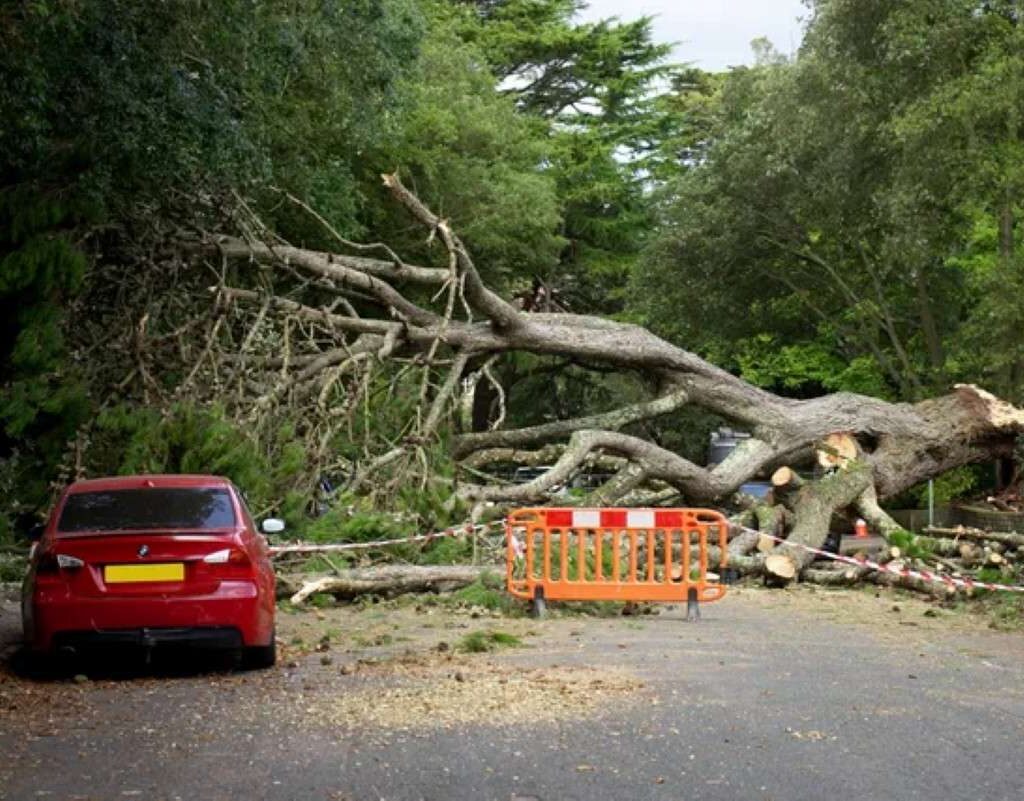
It prevents expensive emergencies and premature removals. Early pruning and structural correction reduce storm damage risk, while soil and root care lowers long-term decline.
It also protects property value and avoids repeated callouts for the same issues. In many cases, a well-timed arborist visit costs far less than repairing a fallen limb, replacing a mature tree, or managing ongoing pest stress.
What is the simplest takeaway for urban tree health?
Sydney’s urban trees need expert support because their environment is stacked against them. Professional arborist services keep trees safer, stronger, and more resilient, while helping owners meet their responsibilities and avoid costly mistakes.
For anyone managing trees near people, property, or construction, working with a qualified arborist is not a luxury. It is basic, practical risk and health management.
Related : The Property Value Benefits of Tree Trimming North Shore Services
FAQs (Frequently Asked Questions)
Why are Sydney’s urban trees particularly vulnerable to environmental stress?
Sydney’s urban trees face harsh conditions such as compacted soils, heat islands, limited rooting space, pollution, and irregular watering. These factors weaken trees over time, and even healthy-looking canopies can hide underground stress due to soil compaction, trenching, and competition with utilities that reduce stability and increase the risk of decline or failure.
How do professional arborist services contribute to the long-term health and safety of urban trees in Sydney?
Professional arborists focus on prevention by assessing tree biology, structure, site conditions, and future stressors. They recommend actions that enhance tree strength and longevity, use pruning strategies that support natural growth patterns, reduce defects, lower disease risks, and help avoid costly mistakes like over-pruning or unnecessary removal. Their expertise reduces hazards while preserving urban trees.
What makes correct pruning by a qualified arborist more than just cutting branches?
Correct pruning influences how a tree allocates energy, responds to stress, and withstands wind loads. Improper pruning can cause decay, weak regrowth, sunscald, and instability. Professional arborists select appropriate pruning types—such as crown cleaning or selective thinning—and time the work to minimize stress and avoid pest or pathogen activity periods.
In what ways do arborists identify hidden problems in urban trees that might be missed by untrained observers?
Arborists are trained to detect early symptoms like cracks, included bark, fungal fruiting bodies, dieback patterns, and abnormal leaf size. They also consider site changes such as recent excavation or altered drainage that may explain sudden decline even when the canopy appears healthy from the street.
How do professional arborists manage tree health during nearby construction activities in Sydney?
Arborists help prevent root damage—the leading cause of urban tree decline—by planning protection zones, advising on fencing and access routes, guiding excavation near roots, and monitoring trees post-construction. This proactive care preserves tree stability and vitality despite construction pressures.
Why is investing in professional arborist care a cost-effective strategy for managing urban trees?
Investing in arborist care prevents expensive emergencies like storm damage or premature tree removal by enabling early pruning and structural correction. Soil and root care reduce long-term decline while maintaining property value. A timely arborist visit typically costs less than repairing damage from fallen limbs or replacing mature trees affected by pests or stress.
