
Stump removal cost is one of those numbers nobody publishes clearly, which is exactly why quotes for the same stump can land $300 apart. The pricing is not arbitrary though. Once you understand the four variables operators use, you can look at a quote and immediately tell whether it is fair, padded, or too cheap to be safe.
The Four Variables That Set the Price
Diameter. Almost all Pricing Guides starts here, measured at ground level, not at the top of the cut. Operators generally charge by size band, because grinding time scales with the cross-sectional area of wood to be removed.
Species and hardness. A dense hardwood stump such as ironbark, spotted gum or turpentine can take two to three times as long as a soft-wooded palm or pine of the same diameter, and it wears grinder teeth faster.
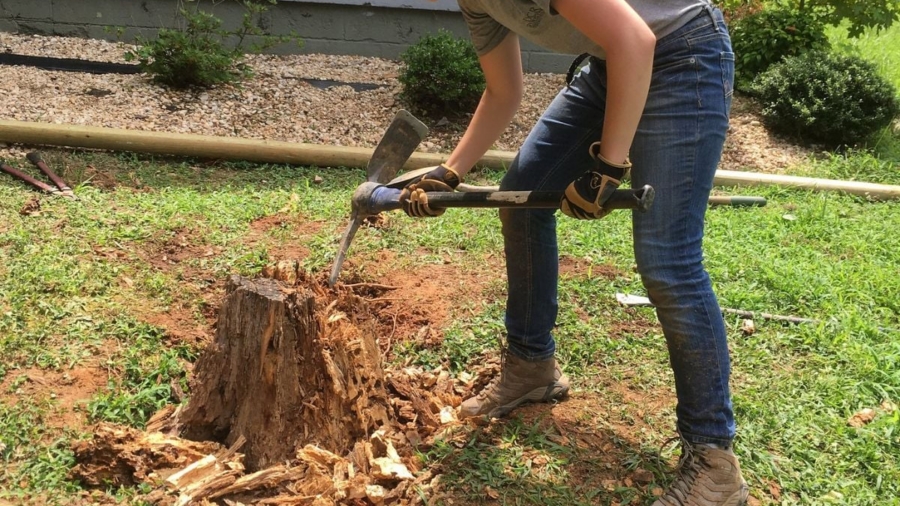
Access. If the machine can drive to the stump, you pay for grinding time. If it has to be walked through a gate, carried down stairs or craned over a roof, you pay for handling time as well.
How deep you need it. Grinding to 100mm below grade for a garden bed is quick. Grinding to 300mm plus for a turf area or a paving slab takes considerably longer and often requires a second pass as the machine works down through the root buttresses.
Typical Price Bands
For a single stump with reasonable access:
- Under 300mm diameter: $80 to $180
- 300mm to 600mm: $180 to $400
- 600mm to 1,000mm: $400 to $900
- Over 1,000mm: $900 to $2,500
Full excavation with a machine, rather than grinding, typically runs two to four times the grinding price for the same stump, plus the cost of clean fill to backfill the void.
The Minimum Call-Out Trap
Nearly every operator has a minimum charge, commonly $150 to $250. That means one small stump costs the same as three small stumps. If you have several, or a neighbour also needs work done, doing them in one visit dramatically improves the per-stump rate. Coordinating with two neighbours on the same street can cut everyone’s bill by a third.
Extras That Should Be Itemised, Not Assumed
This is where quotes diverge. Ask specifically whether the following are included:
- Removal of grindings from site, versus leaving the mound in place
- Topsoil backfill and levelling
- Turf or seed to finish the patch
- Surface root chasing, which is separate from grinding the stump itself
- Dial Before You Dig service location
- Debris protection for windows, cars and pool fencing
- Travel or fuel levy
A quote of $250 that includes grindings removal and topsoil backfill is better value than a $190 quote that leaves you with a mound of chip and a hole.
Is DIY Grinder Hire Worth It?
Hire rates for a walk-behind stump grinder in Sydney run roughly $150 to $300 for a half day, plus trailer transport if you do not have a tow vehicle. On paper that beats a $400 quote.
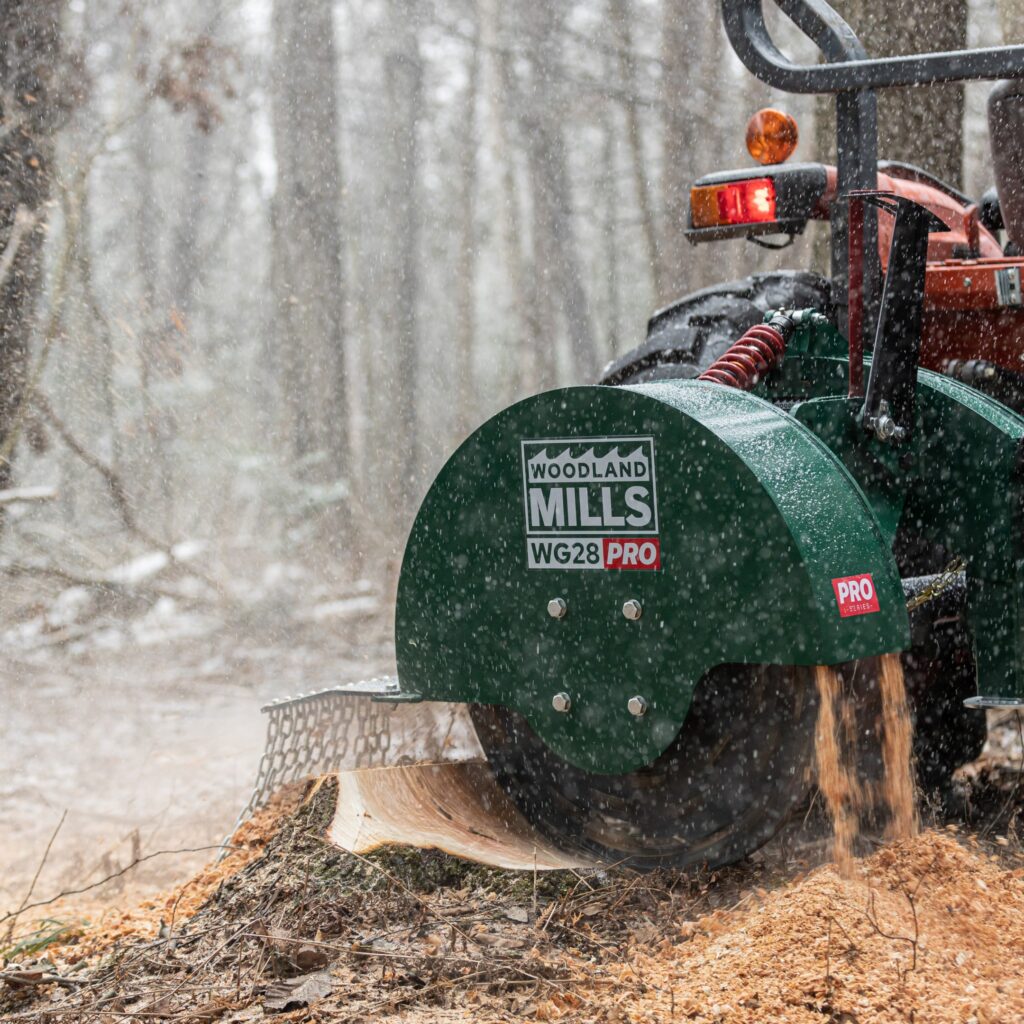
In practice, the maths tilts against DIY for a few reasons. Small hire machines are underpowered for hardwood, so a stump a professional clears in twenty minutes can take you three hours. Hire units are often fitted with worn teeth, which halves the cutting rate again. And these machines genuinely injure people: they throw debris at high velocity, they can walk unpredictably, and they demand full face and hearing protection plus steel-capped boots.
DIY makes sense for two or three soft, small stumps in an open yard when you already own a trailer. For anything hardwood, anything over 400mm, or anything near a wall, service or fence, pay the professional.
Verify the Contractor Before You Pay a Deposit
Whatever the price, check who you are dealing with. The NSW Government publishes a step-by-step guide to choosing the right tradesperson covering licence verification, insurance checks and written contracts. For tree and stump work, the essentials are a current ABN, public liability insurance of at least $10 million, workers compensation if they have employees, and a written scope. Never pay the full amount in advance.
Why Cheap Quotes Are Often Expensive
A quote well below the market usually hides one of four things: no insurance, so any damage to your fence, pipes or pool becomes your problem; grinding only to ground level rather than below it, so the stump reappears as it weathers; grindings left on site with no backfill; or no service location, so the cost of a severed irrigation main or telecommunications lead-in lands on you. Ask the cheap quote to itemise, and the gap usually closes.
Root Systems and Regrowth
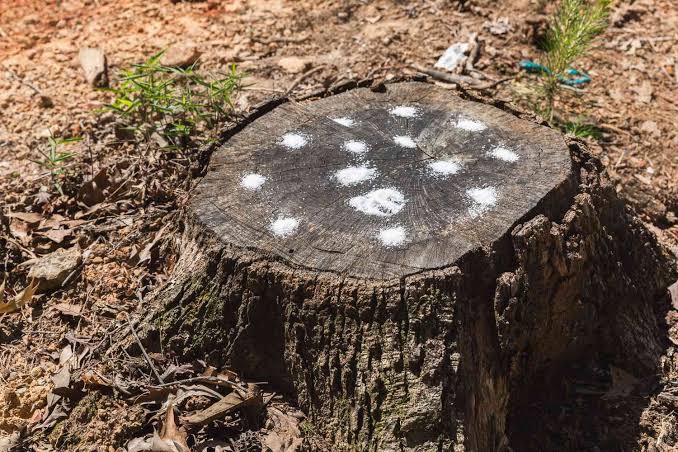
Grinding removes the stump, not the roots. For most species that is fine. But vigorous suckering species, including some figs, poplars, willows, camphor laurel and privet, can reshoot from remaining lateral roots. If your stump is one of those, ask about follow-up treatment, whether that is a cut-and-paint herbicide application at the time of felling or a second visit to remove suckers. Factoring $100 to $200 for follow-up beats fighting shoots for three years.
Bottom Line
Measure the diameter at ground level, note your narrowest access point, decide whether you need the grindings gone and the hole backfilled, then get three itemised quotes on that exact scope. Do that and the price range across quotes usually collapses to within about fifteen per cent.
