
What Are the Common Signs of a Mouse Infestation?
1. Rodent Droppings
Rodent droppings are the most obvious indicator of a mouse problem. These small, dark pellets typically appear along walls, in cupboards, or near food sources where mice travel regularly.
2. Gnawed Wires and Damaged Packaging
You’ll notice gnawed wires and damaged packaging throughout your home, which is often an early sign that mouse control sydney services may be needed. Mice constantly chew to keep their teeth trimmed, leaving distinctive marks on electrical cables, food boxes, and plastic containers. This behaviour creates both safety hazards and food contamination risks.
3. Nests Constructed from Shredded Materials
Nests constructed from shredded materials signal an established infestation. Mice gather soft household items to build their nests:
- Shredded toilet paper
- Torn fabric pieces
- Insulation material
- Paper scraps
These nests typically hide in dark, undisturbed areas like wall cavities, storage boxes, or behind appliances.
4. Urine Marks
Urine marks create a musky odour that intensifies as the infestation grows. These stains appear as small streaks or spots under UV light, though the smell often becomes noticeable before visible marks appear.
5. Unusual Bites or Scratches During Sleep
Unusual bites or scratches during sleep represent a severe infestation. Mice may crawl over sleeping people while foraging at night, occasionally nipping exposed skin. This behaviour indicates a large population competing for resources and requires immediate professional intervention.
How Do Mice Enter Homes and Buildings?
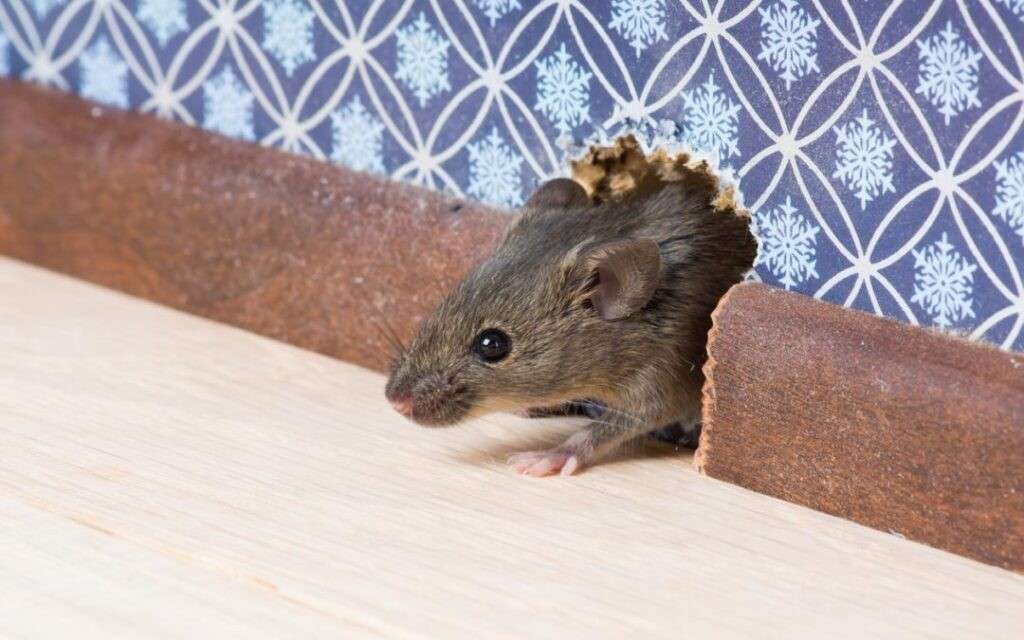
Mice can squeeze through openings as small as a dime—roughly 6mm in diameter. Their flexible skeletal structure allows them to compress their bodies and slip through cracks in foundations, gaps around pipes, and spaces under doors that might seem impossibly small for a rodent.
Mouse entry points extend beyond ground-level vulnerabilities. These persistent creatures possess surprising swimming abilities, enabling them to navigate through plumbing systems and emerge through drain pipes, toilets, and sink drains. This skill makes even upper-floor apartments susceptible to infestation.
The most common vulnerable areas for rodent access include:
- Utility penetrations – gaps around water pipes, gas lines, and electrical conduits entering the building
- Foundation cracks – deteriorating concrete or mortar joints in basement walls
- Roof intersections – spaces where different roofline sections meet or where vents protrude
- Door sweeps – worn or missing weather stripping at the base of exterior doors
- Window frames – deteriorated caulking or gaps in the frame structure
- Garage doors – spaces created when doors don’t seal flush to the ground
Air conditioning units, dryer vents, and exhaust fans create additional pathways when improperly sealed. Mice exploit these architectural weak points with remarkable efficiency, making comprehensive home protection against mice essential for Sydney residents facing potential infestations.
What Causes Mouse Infestations in Sydney?
Mouse infestations in Sydney occur when rodents find environments that meet their basic survival needs. The causes of mouse infestation stem from three primary factors: accessible food sources, warm shelter, and suitable nesting materials.
Food Sources
Sydney rodents are driven indoors by their remarkable sense of smell, which guides them to diverse food sources within homes. Mice can detect and consume:
- Grains and cereals
- Fresh vegetables and fruits
- Meat products
- Sweet items like candy
- Dairy products including butter and cheese
Shelter
The mouse habitat requirements make Sydney homes particularly attractive during colder months. Mice seek warmth in house insulation, wall cavities, and roof spaces. They gather soft materials like toilet paper, fabric scraps, and cardboard to construct nests in hidden areas.
Breeding Conditions
Environmental factors unique to Sydney also contribute to population surges. Periods of drought followed by rain create optimal breeding conditions, leading to rapid population growth. Once established near food sources, mice reproduce quickly—females can give birth up to 10 times yearly with approximately seven babies per litter, causing infestations to escalate within weeks.
Urban Environment
Food availability plays a critical role in attracting mice. Unsealed pantry items, accumulated rubbish, and improperly stored pet food create ideal conditions for infestations. The combination of Sydney’s climate and urban environment provides year-round opportunities for mice to establish colonies.
How Can Homeowners Prevent Mouse Infestations?
Preventing mice from making themselves at home in your house requires consistent attention to three critical areas: food storage, structural integrity, and cleanliness. These mouse prevention tips form the foundation of effective pest-proofing home strategies that Sydney residents can implement immediately.
1. Food Storage
Food storage demands vigilance. Transfer all pantry items—grains, cereals, pasta, and snacks—into airtight glass or heavy-duty plastic containers. Mice can easily chew through cardboard boxes and thin plastic bags, making sealed containers essential for denying them access to food sources.
2. Structural Maintenance
Structural maintenance prevents entry points from becoming mouse highways. Walk around your property monthly, checking for:
- Cracks in foundations and walls larger than 6mm
- Gaps around pipes, vents, and utility lines
- Damaged weather stripping on doors and windows
- Unsealed openings where cables enter the building
Seal these vulnerabilities with steel wool, caulk, or metal mesh that mice cannot gnaw through.
3. Cleanliness Protocols
Cleanliness protocols eliminate attractions. Empty kitchen bins daily, store rubbish in sealed outdoor containers, and clean up food spills immediately. Pet food bowls shouldn’t remain full overnight, and compost bins need secure lids positioned away from the house.
Natural rodent deterrents Sydney homeowners swear by include cotton balls soaked in peppermint oil placed near potential entry points, though physical barriers remain more reliable long-term solutions.
For larger properties or warehouses facing similar rodent issues, seeking professional assistance might be beneficial. Pest control services can provide targeted solutions for such scenarios. Additionally, understanding the intricacies of pest control is crucial for homeowners; thus referring to a detailed guide on pest control could prove invaluable in managing these unwanted guests effectively.
When Should Homeowners Seek Professional Mouse Control Services?
Homeowners should call pest control immediately when they notice multiple droppings daily, hear scratching sounds in walls or ceilings, or discover more than one mouse in a short period. These signs indicate an established colony that requires professional rodent removal Sydney expertise.
Visible damage to electrical wiring presents a serious fire hazard and demands urgent professional intervention. Mice gnawing through cables can create dangerous short circuits that DIY methods cannot adequately address while ensuring safety.
When to call pest control becomes critical if you experience:
- Persistent mouse activity despite setting multiple traps
- Finding nests in multiple locations throughout your home
- Detecting strong ammonia-like odours from urine accumulation
- Discovering chewed food packaging in several rooms
- Experiencing mouse bites during sleep
Rapid reproduction rates mean a small problem escalates quickly—females birth up to 10 litters yearly with seven babies each. Waiting even a few weeks allows populations to multiply exponentially, making eradication significantly more difficult and expensive.
Professional services become essential when mice access hard-to-reach areas like wall cavities, roof spaces, or beneath floor insulation. These locations require specialized equipment and knowledge of mouse behaviour patterns that trained technicians possess. Attempting DIY solutions in these scenarios often proves ineffective and allows infestations to worsen undetected.
What Are the Typical Methods Used by Professionals for Mouse Control in Sydney?
Professional mouse control methods in Sydney begin with a thorough inspection of your property to determine the severity and scope of the infestation. Pest control experts examine entry points, identify nesting areas, assess the extent of damage, and look for signs like droppings, gnaw marks, and active pathways mice use throughout your home.
Inspection Process
The initial assessment typically covers:
- Interior and exterior examination of walls, floors, and foundations
- Identification of access points including cracks, gaps around pipes, and drainage systems
- Evaluation of food sources and nesting materials
- Assessment of population size based on droppings and activity levels
Treatment Options
Pest treatment Sydney professionals employ multiple strategies based on inspection findings:
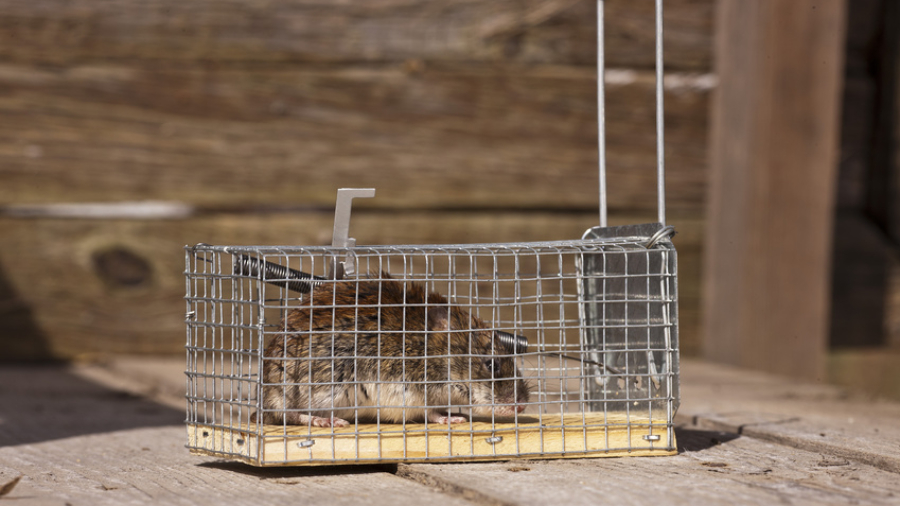
Trapping systems use mechanical snap traps or live-catch devices strategically placed along mouse pathways and near entry points. These provide immediate results without chemical exposure.
Baiting programs involve placing rodenticide stations in secure locations inaccessible to children and pets. Professionals select appropriate bait formulations and monitor consumption patterns to gauge effectiveness.
Environmentally-friendly pesticides offer alternatives for households concerned about traditional rodenticides, using natural compounds that target rodents while minimizing risks to other species.
Follow-up visits ensure treatment success, with technicians monitoring trap activity, replenishing bait stations, and adjusting strategies based on ongoing results. Many Sydney pest control companies provide guarantees for their services.

Are Rodenticides Safe to Use Around Pets and Children?
No, rodenticides pose significant toxicity risks to both pets and children. These chemical baits are designed to be lethal to rodents, but their poisonous properties don’t discriminate between mice and other mammals who might accidentally ingest them.
Rodenticides work by disrupting blood clotting, causing internal bleeding, or affecting the nervous system. When pets like dogs and cats encounter these baits, they may eat them directly or consume poisoned mice. Children can accidentally ingest rodenticides if they’re placed within reach or stored improperly. The consequences range from mild illness to severe organ damage or death, depending on the amount consumed and the type of rodenticide used.
Professional application becomes essential for rodenticide safety. Licensed pest control technicians understand proper placement strategies that minimize exposure risks. They position bait stations in tamper-resistant containers, place them in areas inaccessible to children and pets, and use the minimum effective quantities needed.
Pet-safe pest control alternatives exist for households with animals or young children. These include:
- Mechanical snap traps placed in secured locations
- Electronic traps that deliver instant kills
- Live-catch traps for humane removal
- Natural deterrents like peppermint oil
When rodenticides are necessary, professional pest controllers follow strict protocols for application, monitoring, and removal. They provide clear instructions about keeping family members and pets away from treated areas until the infestation is resolved.
See Also: Rodent exterminator sydney review: what should you look for in a quality service provider?
