
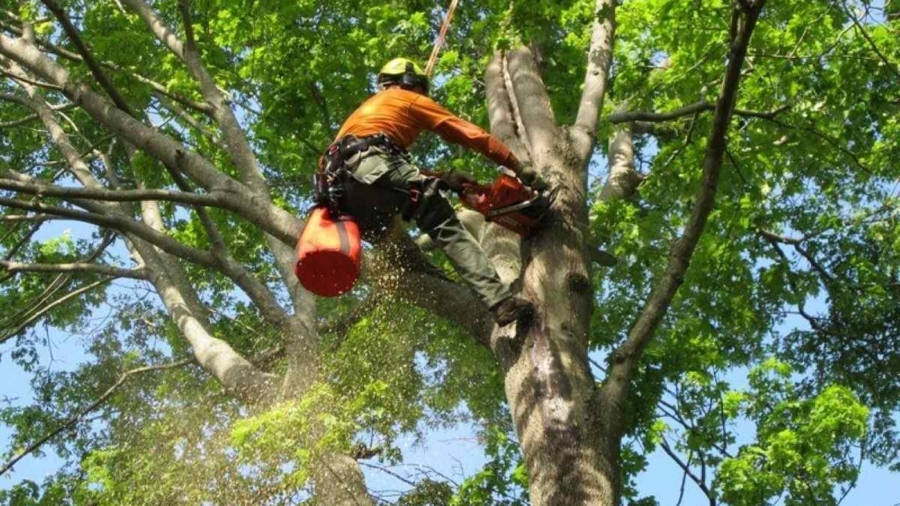
The landscape of Australian arboriculture is undergoing a digital transformation. For decades, determining the internal stability of a massive Eucalyptus or a heritage Oak often required invasive “drilling” or, in worst-case scenarios, felling the tree to inspect its core. Today, using drones and sonic tomography allows modern arborists to assess tree health without cutting, providing a sophisticated, non-destructive window into the biological and structural integrity of our urban forests.
This evolution in “Diagnostic Arboriculture” is not just about high-tech gadgets; it is about precision, safety, and the preservation of high-value assets. Whether you are a local council manager in Sydney or a homeowner in Melbourne, understanding these advanced technologies is essential for informed tree management in 2026.
See more: A Homeowner’s Guide to Understanding Tree Pruning Pricing in 2026
What is Non-Invasive Tree Health Assessment?
In the past, arborists relied heavily on Visual Tree Assessment (VTA). While VTA remains the foundational first step, it is limited to what the human eye can see—cracks, fungi, or lean. Non-invasive assessment uses physics and remote sensing to “see” where the eye cannot.
The Two Pillars of Modern Diagnostics
- Sonic Tomography: A method that uses sound waves to map the internal density of a tree trunk.
- UAV (Drone) Inspection: Using high-resolution aerial imaging and thermal sensors to evaluate the canopy and upper structure.
By combining these technologies, arborists can generate a “3D health profile” of a tree, identifying decay, hollows, or pest infestations long before they become visible or hazardous.
The Science of Sonic Tomography: Mapping the Invisible
Sonic tomography is often compared to a “CT scan for trees.” It is currently the gold standard for assessing internal structural integrity without causing the very wounds that lead to decay.
How It Works: The Velocity of Sound
The principle is simple: sound travels faster through solid, healthy wood than it does through air (hollows) or soft, decayed wood.
- Sensor Placement: A series of sensors (transducers) are placed around the circumference of the tree.
- Impulse Generation: The arborist taps each sensor, sending a sonic pulse through the wood.
- Data Processing: The software measures the time it takes for the pulse to reach every other sensor.
- The Tomogram: A color-coded map is generated. Usually, green represents healthy wood, while red or blue indicates areas of low density or significant decay.
Why It Matters for Australian Species
Many Australian natives, such as the Angophora or various Eucalypts, are prone to internal “piping” or termite damage that leaves the exterior bark looking perfectly healthy. Sonic tomography identifies these “hidden” hazards, allowing for targeted pruning rather than unnecessary removal.
Aerial Intelligence: The Role of Drones in Tree Management
While tomography looks inward, drones (Unmanned Aerial Vehicles) provide a macro-perspective that a ground-based arborist simply cannot achieve safely or cost-effectively.
Multi-Spectral Imaging and Canopy Health
Drones in 2026 are equipped with more than just standard cameras. They utilize multi-spectral sensors to measure the Normalized Difference Vegetation Index (NDVI).
| Sensor Type | Application in Arboriculture |
| RGB High-Res | Identifying structural cracks, deadwood, and hollows in the upper canopy. |
| Thermal (FLIR) | Detecting moisture stress or “hot spots” where pests are concentrated. |
| Multispectral | Assessing chlorophyll levels to identify early-stage disease before leaves turn brown. |
| LiDAR | Creating precise 3D models of tree height and crown spread for risk zoning. |
Accessing the Inaccessible
In the dense urban environments of Brisbane or the rugged terrain of the Blue Mountains, sending a climber into a potentially unstable tree is a high-risk maneuver. Drones allow for a “pre-climb” inspection to ensure the anchor points are safe, significantly increasing workplace safety.
Benefits: Why Modern Technology Beats Traditional Methods
Using drones and sonic tomography offers a suite of advantages that align with modern environmental standards and risk management protocols.
- Preservation of Heritage: We no longer have to “guess” if a 100-year-old tree is safe. We can prove it, often extending the life of the tree through data-backed management.
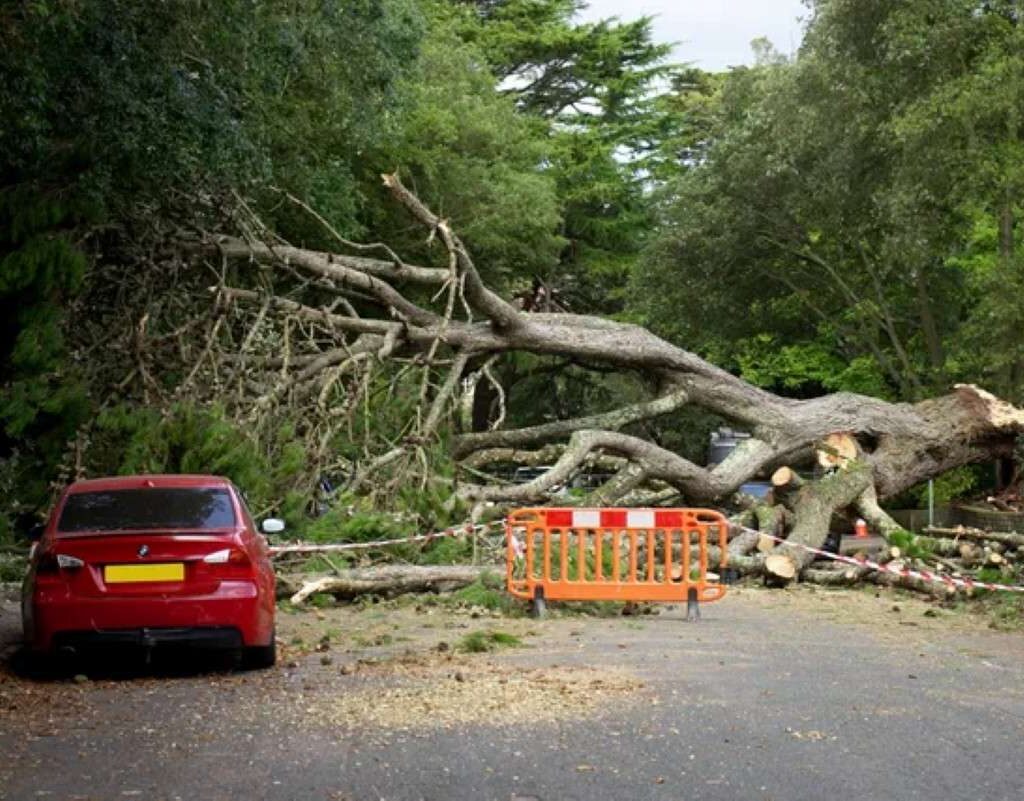
- Cost Efficiency: While the initial scan has a cost, it is significantly cheaper than the emergency removal of a fallen tree or the litigation following a failure.
- Non-Invasive: Traditional “resistance drilling” (Resistograph) leaves a small hole. While minor, these holes can be entry points for pathogens. Tomography leaves the tree’s natural defenses (the bark) intact.
- Quantifiable Data: Instead of an opinion (“The tree looks a bit sick”), you receive a digital report with percentages of sound wood versus decay.
Step-by-Step: The Advanced Assessment Process
When you hire a modern arborist to perform a comprehensive health check, the process generally follows this framework:
1. Level 1 & 2 Visual Assessment
The arborist conducts a ground-based inspection. If “red flags” are found (e.g., fungal fruiting bodies at the base), they move to Level 3: Advanced Diagnostics.
2. Drone Canopy Analysis
The drone is deployed to capture 4K footage of the upper crown. This identifies split limbs or “widow-makers” that are invisible from the ground.
3. Sonic Tomographic Scanning
If the trunk shows signs of weakness, the sonic sensors are installed. The resulting tomogram is analyzed to determine the Residual Wall Thickness—the amount of healthy wood required to support the tree’s weight.
4. Data Integration and Reporting
The aerial data and internal scans are synthesized into a comprehensive report. This includes a risk rating and a 5-to-10-year management plan.
Best Practices and Expert Tips
To get the most out of advanced tree diagnostics, consider these industry best practices:
- Timing is Key: Conduct multi-spectral drone scans during the growing season when leaf stress is most visible.
- Root Zone Analysis: If a tree is leaning, combine tomography with “Root Mapping” (Ground Penetrating Radar) to check for root plate stability.
- Annual Benchmarking: For high-risk trees, an annual scan allows you to track the rate of decay. If decay is not progressing, the tree may remain safe for decades.
Common Mistakes to Avoid
- Over-reliance on Tech: Technology does not replace the arborist’s intuition; it informs it. Always ensure a qualified AQF Level 5 or 12 arborist is interpreting the data.
- Ignoring the Context: A tree with 40% internal decay might be safe in a quiet park but extremely dangerous next to a primary school. Always factor in the “target” (what the tree could hit).
Frequently Asked Questions
Does sonic tomography hurt the tree?
No. The sensors are typically held in place by small pins that only penetrate the dead outer bark, or by elastic straps. It is considered a non-invasive procedure.
How much does a drone tree inspection cost in Australia?
Prices vary based on the number of trees and the location, but a professional drone survey and report generally start from $350–$700 AUD. This is often bundled with a broader arboricultural report.
Can drones detect termites in trees?
Indirectly, yes. Thermal imaging can sometimes detect the heat generated by large termite colonies, and multi-spectral sensors can detect the moisture stress caused by termite damage to the tree’s vascular system.
How accurate is sonic tomography?
It is highly accurate for detecting significant decay and hollows. However, it is less effective at detecting very early-stage fungal infections or fine cracks. It is best used for structural stability assessments.
Is this technology required by Australian law?
While not explicitly “law,” the Australian Standard AS 4373-2007 (Pruning of Amenity Trees) and duty of care requirements mean that for high-risk trees, “Level 3” advanced assessments are often necessary to meet safety obligations.
Conclusion: The Future of Urban Forest Management
Using drones and sonic tomography has revolutionized how we coexist with large trees in our urban spaces. By choosing these non-invasive methods, we shift from a reactive “cut it down just in case” mentality to a proactive, data-driven stewardship. These tools allow modern arborists to assess tree health without cutting, ensuring that our suburbs remain green, cool, and, most importantly, safe.
If you are responsible for high-value trees, the next step is moving beyond simple visual inspections. Investing in advanced diagnostics today can save a heritage icon tomorrow.
Internal Linking Opportunities:
- Anchor: AQF Level 5 Arborist reports
- Anchor: Australian Standard AS 4373-2007
- Anchor: Tree risk management for councils
- Anchor: Benefits of urban canopy cover
External Reference Suggestions:
- International Society of Arboriculture (ISA)
- Arboriculture Australia
